Project Hail Mary could teach humanity a thing or two

It’s hard not to find the premise of Andy Weir’s Project Hail Mary instantly compelling: Something is slowly killing the sun and threatening life on Earth. That same mysterious force, dubbed the Astrophage, also destroyed every nearby star — except one. Our only hope is to visit that solar system and figure out what helped it survive. And there’s just one middle school science teacher who can do it. 

At its core is Weir’s love of technical problem solving, along with a tremendous performance by Ryan Gosling in full nerd hero mode as the aforementioned science teacher (and former molecular biologist). It’s the sort of sweeping sci-fi epic that will make a whole generation of kids ready to science the shit out of humanity’s future problems. And maybe it’ll remind clueless adults that we gain much more by working together to solve global issues, instead of being purely self-interested.

The film starts with Gosling’s character, Ryland Grace, waking up from an induced coma with no memory. He’s shocked to find that he’s light years away from Earth, and that the other two members of his crew are already dead. As he gets his bearings, he recalls that he was sent on a last-ditch mission, Project Hail Mary, to save the sun and everyone on Earth. No pressure! These early moments make it clear that screenwriter Drew Goddard (who also adapted The Martian), as well as directors Phil Lord and Chris Miller, can deftly juggle comedy alongside the inherent drama in the story.  

There’s something genuinely moving about the mission. With about 30 years before the planet is faced with a global cooling event likely ending in mass starvation, Earth’s major political powers put aside their differences and deliver their finest scientific minds to come up with a solution. You can really take your pick with real-world parallels, like the impending climate crisis, or the increasing threat of nuclear war. Simply seeing the world work together feels meaningful in these bleak times. And unlike other space disaster films like Armageddon and Interstellar, cooperation, rather than NASA alone, is the only way forward.

Ryan Gosling in Project Hail Mary.

Jonathan Olley for Amazon

Sure, humanity’s hope for survival ultimately falls on the shoulders of one of the most attractive white men on (or in this case, off) the planet, but you know, movies. It’s also not a spoiler to say that Grace isn’t entirely alone on his journey. As already revealed by the film’s trailers and a ton of social media clips, he’s also joined by a crab-like being made of rock, which he simply calls Rocky. They eventually learn to communicate, and it’s revealed that Rocky is also on a mission to save their own home planet. 

While we get brief glimpses of life on Earth, and the planning of Project Hail Mary, for the vast majority of the film we’re just left with Grace figuring things together with a rock alien. And yet, the film never drags. It’s a testament to Gosling’s inherent charm, but he also demonstrates an incredible ability to shift from joy and goofiness, to sheer terror, to leading-man heroics on a dime. It’s also hard to take your eyes off of Rocky, who is rendered with a loving mixture of practical puppetry and CG. We’ve never seen a creature like them before – one that, despite having no eyes or mouth, manages to connect with viewers mostly through their very expressive arms.

Ryan Gosling in Project Hail Mary.

Jonathan Olley for Amazon

Project Hail Mary is ultimately a work of pulp sci-fi as told by an author who loves deeply nerdy technical solutions, as well as a writer and directors who know precisely what makes a great blockbuster tick. But the notion that humanity can collectively come together to do the impossible always tugs at my heartstrings a bit. And yes, there’s the power of friendship, too. In this moment, when things seem particularly bleak, these ideas seem especially meaningful.

This article originally appeared on Engadget at https://www.engadget.com/entertainment/tv-movies/project-hail-mary-could-teach-humanity-a-thing-or-two-154327806.html?src=rss 

Belkin Charging Case Pro for Switch 2 review: A more elegant solution

Last year, Belkin released a couple of cases for the Nintendo Switch 2 just in time for launch, including one that came with a handy battery pack. That one was simple and effective, but it felt a bit crude because it wasn’t much more than a basic travel pouch with a generic power cell tossed inside. Now, Belkin is back with a Pro version of its Charging Case for the Nintendo Switch 2, featuring a more sophisticated battery pack along with a higher price tag ($100 vs. $70). So here’s the question for any Switch 2 owners still looking for a way to protect their console while keeping it topped off: Is a more elegant charging solution really worth the extra money?

Case design

At 11.7 x 6.1 x 2.5 inches and weighing 1 pound 12 ounces, the Pro Charging Case is a touch larger and heavier than its non-pro sibling. It also features a very similar design with the same color options and materials, including a tough polyester outer shell that’s balanced by a softer, velvet-like material and cutouts for your Switch 2 on the inside. 

The Pro Charging Case (bottom) is a touch bigger and heavier than the previous model, but aside from that its sports a nearly identical design.

Sam Rutherford for Engadget

Once again, Belkin has done a good job of providing a snug cabin to store your console while still making it easy to take it in and out. That said, if your system also has an extra-thick protector or hardshell case like the Killswitch from Dbrand, it may not fit. There’s also a padded flap that swings down to protect your Switch 2’s screen that also pulls double duty as a place to stash up to 12 game cartridges, which is a very thoughtful touch. 

However, the biggest change to the Pro Charging Case’s exterior design is a new cutout on the front edge, which allows you to top off other gadgets (or a Switch) by plugging a USB-C cable into Belkin’s included battery pack. Unfortunately, the case doesn’t come with a cord, which seems a bit odd until you take a closer look at the power pack’s layout. That’s because once you open up the case, you’ll see a second port designed to fit right into the bottom power jack on the Switch 2 without the need for a cable.

The inside of the Pro Charging Case features a handy mesh pocket, 12 slots for game carts and a hidden AirTag pouch.

Sam Rutherford for Engadget

Other small touches on Belkin’s Pro Charging Case include a mesh pocket for storing things like cables, Joy-Con straps or cleaning cloths, which is very handy. However, my favorite thing might be the AirTag pouch that’s also hidden inside that pocket, which could give you a fighting chance of recovering your system if it’s ever lost or stolen (though I wouldn’t count on it). 

Battery pack

The arrangement of the included 10,000mAh battery pack and the placement of its internal USB-C port makes it a cinch to recharge your Switch 2 every time you put it in the case.

Sam Rutherford for Engadget

Despite the increased size of the Pro Charging Case’s included battery, it has the same 10,000mAh capacity as what you get from its less expensive sibling. That means you’ll typically have enough juice for a little more than 1.5 recharges for your Switch 2 and its onboard 5,220mAh cell. Instead of relying on a simple external power pack like before, Belkin’s bundled battery comes with a second USB-C port and a kickstand. This makes it super easy to plug in your Switch 2 every time you put it in the case. This way, you know the next time you turn it on, it’ll be at 100 percent. 

Here’s what the battery pack looks like when you take it out of the case. As you can see, its size and shape means it’s not a great standalone external power pack any more.

Sam Rutherford for Engadget

Alternatively, you can raise the kickstand to prop up the Switch 2 and game on it while it stays nestled inside the case. This might seem a bit redundant as Nintendo’s console already has its own kickstand, but Belkin’s allows you to continue charging the system while you’re playing without needing a cord. There’s even a handy display on the side of the battery, so it’s super easy to see how much juice is left, even when the case is closed. Furthermore, when you need to recharge the power pack, you can do so without removing it from the case or disconnecting your Switch thanks to that bonus USB-C port on the outside. Compared to the previous model, this is certainly a more elegant solution that provides some subtle quality of life improvements. The one downside is that the battery pack is somewhat awkwardly shaped, so you won’t really want to use it on its own.

Wrap-up

There’s no doubt the Pro Charging Case’s new battery pack is a more premium solution that’s easier to use and manage. When you need to recharge it, you can do so from the outside without opening the pouch. It also lets you charge a Switch 2 without ever needing a cable. The built-in kickstand is another bonus that helps elevate the whole kit from a simple case to something closer to a tiny all-in-one gaming booth. 

One of the neat things about giving the battery a kickstand is that it turns the case into a mini all-in-one. This makes me wish Belkin gave the included power pack some sort of docking functionality for connecting the Switch 2 to an external display.

Sam Rutherford for Engadget

That said, after using it for a couple of weeks, I’m still not sure the added convenience is worth an extra $30 over the original. Due to the battery packs’ new shape, it’s less useful as a standalone power cell, and the rest of the case’s design is largely unchanged. Of course, it’s always nice to have options, and if you’re the kind of person who doesn’t mind spending a little extra for a more streamlined and convenient kit, Belkin’s Pro Charging Case for the Switch 2 is still very much worth consideration.

This article originally appeared on Engadget at https://www.engadget.com/gaming/nintendo/belkin-charging-case-pro-for-switch-2-review-a-more-elegant-solution-144820809.html?src=rss 

Amazon is reportedly working on a new phone built around Alexa

Amazon is reportedly planning to re-enter the smartphone market more than 10 years after its last attempt. According to a Reuters report, the mysterious phone is internally codenamed “Transformer” and is being developed by the company’s devices and services unit.

There isn’t a whole lot to go on right now, but it probably won’t surprise many to learn that the phone will likely lean heavily on AI. According to Reuters’ sources, Alexa functionality would be a core part of the experience, but Amazon wouldn’t necessarily build a custom OS around its voice assistant. The phone would make buying products on Amazon and using services like Prime Music and Prime Video “easier than ever,” and may bypass traditional app stores.

Reuters reports that the Transformer project is being led by the recently established ZeroOne, an Amazon devices unit headed up by ex-Microsoft executive and Xbox co-founder J Allard, who was also one of the creators of Zune. Allard joined Amazon last year to lead a “a special projects team dedicated to inventing breakthrough consumer product categories.”

The development team has reportedly considered launching both a traditional smartphone and a so-called “dumbphone,” which would presumably strip away anything that needlessly distracted you from the Amazon empire. Reuters’ anonymous sources suggest the latter could help combat screen addiction by offering fewer features.

ZeroOne is apparently inspired by the ultra-minimalist Light Phone, suggesting that Amazon might be reluctant to take on the flagship devices of Apple and Samsung. The report adds that the Transformer phone could even be positioned as a secondary handset.

This, of course, would not be Amazon’s first crack at the smartphone business. The company launched the Fire Phone in 2014, an ambitious and interesting device that ultimately failed to tempt people away from the more established smartphone ecosystems. It’s widely remembered as perhaps the company’s biggest hardware misstep.

With analysts forecasting an unprecedented decline in the smartphone market in 2026, now seems like a risky time for Amazon to try again, and Reuters was unable to determine exactly how much the company has committed to the Transformer project. Sources also wouldn’t rule out it being scrapped altogether if the company’s priorities suddenly shifted.

This article originally appeared on Engadget at https://www.engadget.com/mobile/amazon-is-reportedly-working-on-a-new-phone-built-around-alexa-142244500.html?src=rss 

ByteDance is selling its Moonton game unit to Savvy Games for a cool $6 billion

Following discussions first reported on earlier this year, ByteDance has agreed to sell its games unit Moonton to Savvy Games Group for $6 billion. Moonton is known for mobile titles popular in Asia like Mobile Legends: Bang Bang, which has been downloaded 1.5 billion times. The transaction is set to be finalized in the “near future,” according to an internal memo from Moonton’s CEO seen by Bloomberg

ByteDance has been winding down its gaming arm and shopping Moonton since 2023, just two years after it first acquired the developer. Around that same period, the TikTok parent was shuttering its Nuverse gaming arm, which published notable titles like Marvel Snap and Ragnarok X: Next Generation. The company has since shifted its focus to AI, competing with Chinese rivals to develop chatbots and foundational models. 

Savvy Games, which is owned by Saudi Arabia’s Public Investment Fund (PIF), has been going in the opposite direction. Last year the company (via its subsidiary Scopely) acquired Pokémon Go developer Niantic for $3.5 billion. PIF was also among the key investors that purchased Electronic Arts in a blockbuster $55 billion deal last year. The Saudi fund holds a 7.5 percent stake in Nintendo as well.  

The sale is the latest chapter in the recent gaming industry consolidation that saw around 45,000 jobs lost in a brutal three-year period between 2022 and 2025. According to a recent GDC study, one-third of US video game industry workers were laid off over the last two years. 

This article originally appeared on Engadget at https://www.engadget.com/gaming/bytedance-is-selling-its-moonton-game-unit-to-savvy-games-for-a-cool-6-billion-124131595.html?src=rss 

Blue Origin also wants to put AI data centers in space

Blue Origin has revealed its plans for an orbital AI data center system in a new filing with the Federal Communications Commission. The company has asked the agency for permission to deploy 51,600 satellites, as reported by the Wall Street Journal and SpaceNews. Called Project Sunrise, the initiative aims to launch and operate a constellation of satellites that can deliver computing capacity for artificial intelligence uses.

Project Sunrise’s satellites will be placed in sun-synchronous orbits at altitudes between 311 and 1,118 miles. Each layer in the constellation will have between 300 to 1,000 satellites and will be approximately 3 to 6 miles apart. In its filing, Blue Origin said the constellation would complement terrestrial data centers.

The satellites will, of course, will be fitted with solar panels to be able to gather energy from the sun. Blue Origin explained that the orbital AI data center will lower the “marginal cost of compute capacity compared to terrestrial alternatives,” because the satellites will be powered by the sun, won’t need land and won’t need grid infrastructure. Project Sunrise will “enable US companies developing and using AI to flourish, accelerating breakthroughs in machine learning, autonomous systems and predictive analytics,” Blue Origin added.

By filing its request with the FCC, Blue Origin has officially joined SpaceX in the list of companies looking to build an AI data center in space. In January, SpaceX asked the FCC for permission to deploy 1 million satellites for its constellation. The company justified at the time that “orbital data centers are the most efficient way to meet the accelerating demand for AI computing power.”

This article originally appeared on Engadget at https://www.engadget.com/science/space/blue-origin-also-wants-to-put-ai-data-centers-in-space-115614142.html?src=rss 

Engadget Podcast: Why does everyone hate NVIDIA’s DLSS 5 AI upscaling?

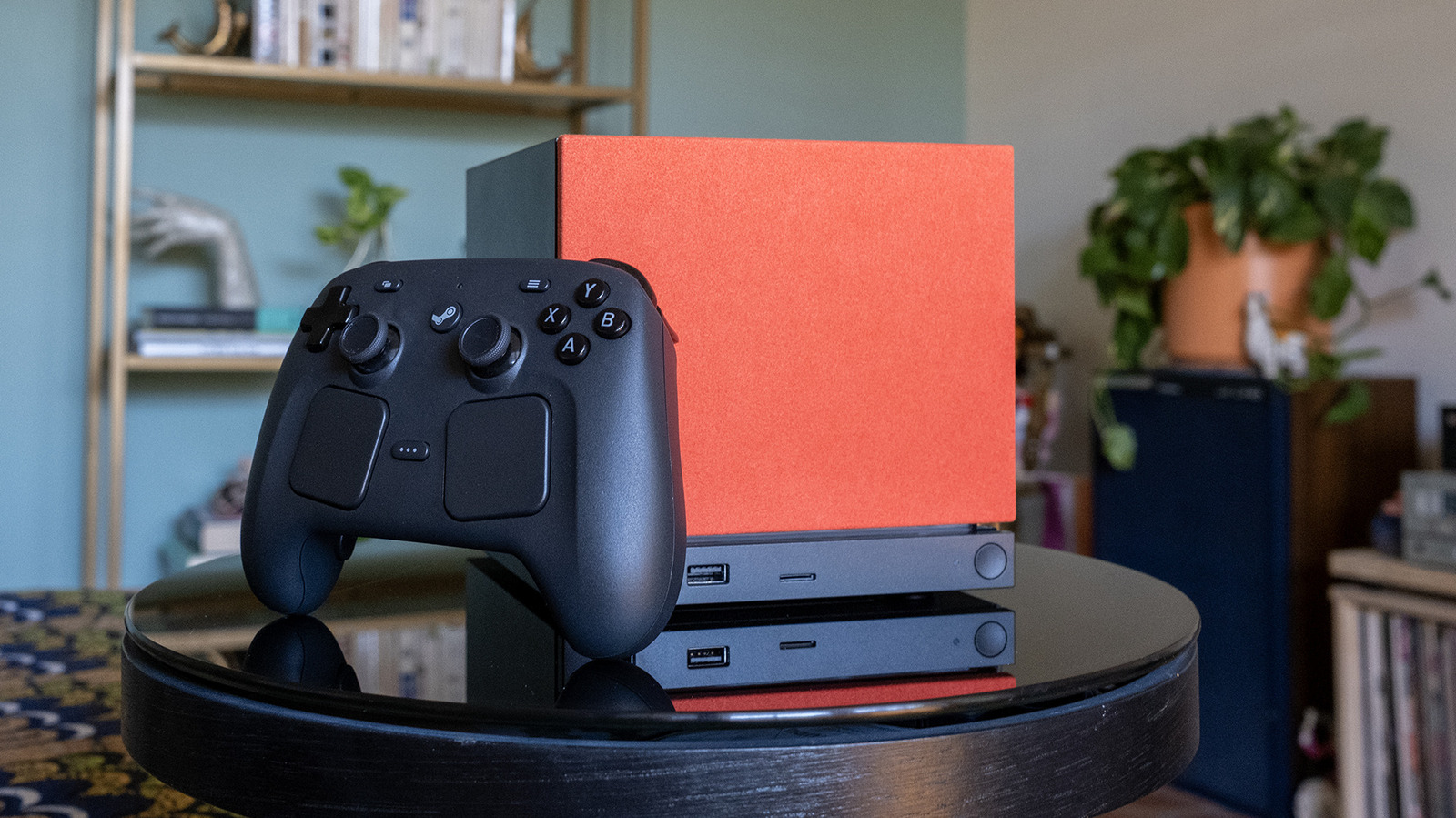
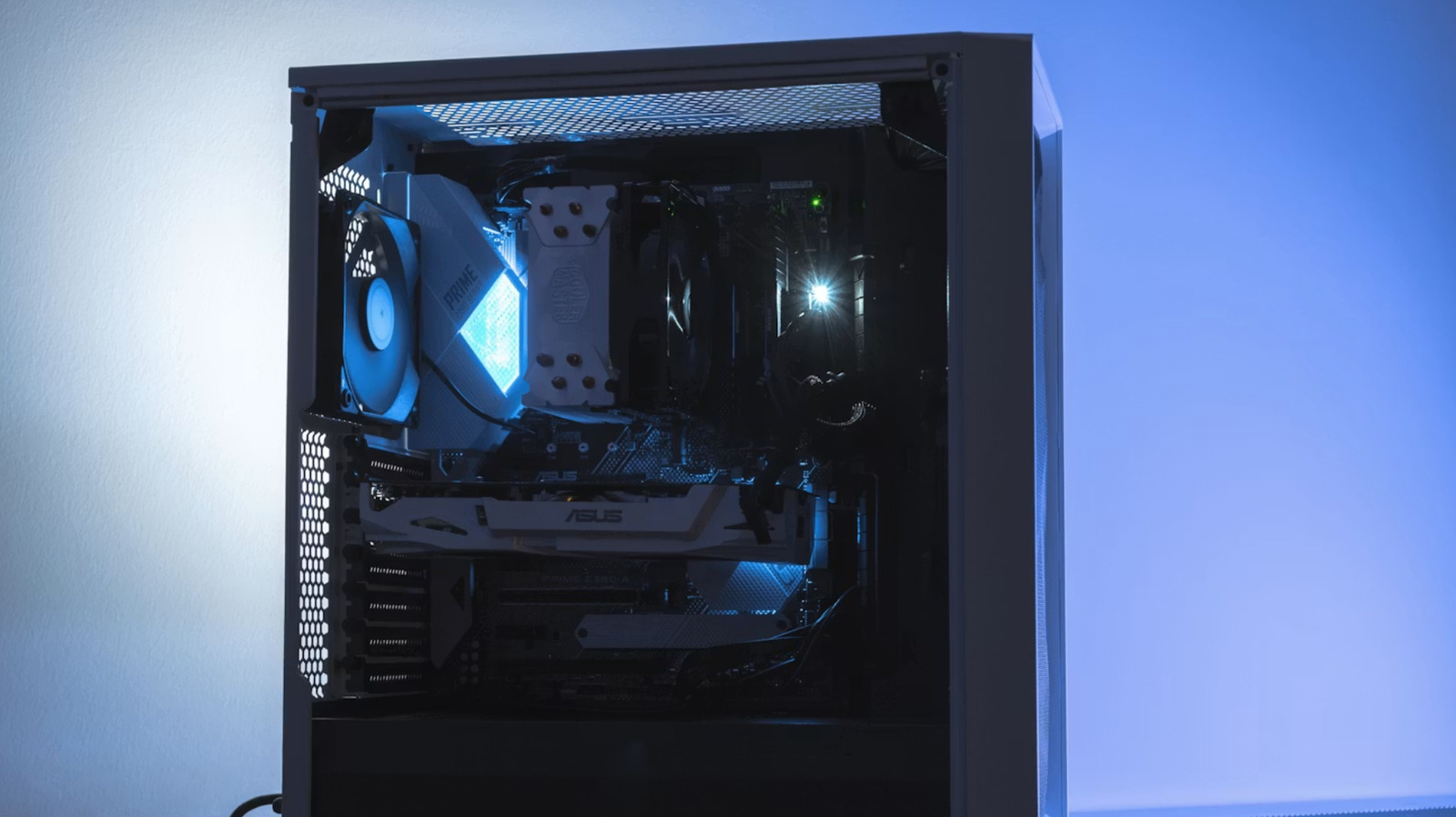
NVIDIA started an online firestorm this week when it announced DLSS 5 at its GTC conference. The company claims it’s meant to deliver “photorealistic” lighting and materials in games by using neural processing. But it differs considerably from previous versions of DLSS, which were focused on using machine learning to upscale lower resolutions and generate additional frames, and gamers online aren’t too happy. To help us break this down, Anshel Sag, VP and principal analyst at Moor Insights and Strategy joins us to discuss his experience with NVIDIA’s DLSS 5 demos. Also, we dive into what’s next for Xbox with Project Helix.

Subscribe!

iTunes

Spotify

Pocket Casts

Stitcher

Google Podcasts

Topic

NVIDIA announced DLSS 5, the disgust was immediate (with Anshel Sag from Moor Insights & Strategy) – 0:51

Arizona attorney general sues Kalshi for operating an illegal gambling business – 36:22

Polymarket users threaten the life of a reporter at The Times of Israel over accurate reporting – 36:59

Apple announces AirPods Max 2 with improved noise cancellation – 44:33

Elon Musk’s xAI faces class action suit over facilitating CSAM dsitribution – 47:38

Samsung stops selling Galaxy Z TriFold after 3 months because components got too expensive – 51:22

Around Engadget: Apple Studio XDR review, Dell XPS 16 review – 53:49.346

Listener Mail: Stick with iPhone on Linux? And are there any good Android tablets? – 55:41

Pop culture picks – 58:46

Credits

Hosts: Devindra Hardawar
Guest: Anshel Sag
Producer: Ben Ellman
Music: Dale North and Terrence O’Brien

This article originally appeared on Engadget at https://www.engadget.com/computing/laptops/engadget-podcast-why-does-everyone-hate-nvidias-dlss-5-ai-upscaling-121335918.html?src=rss 

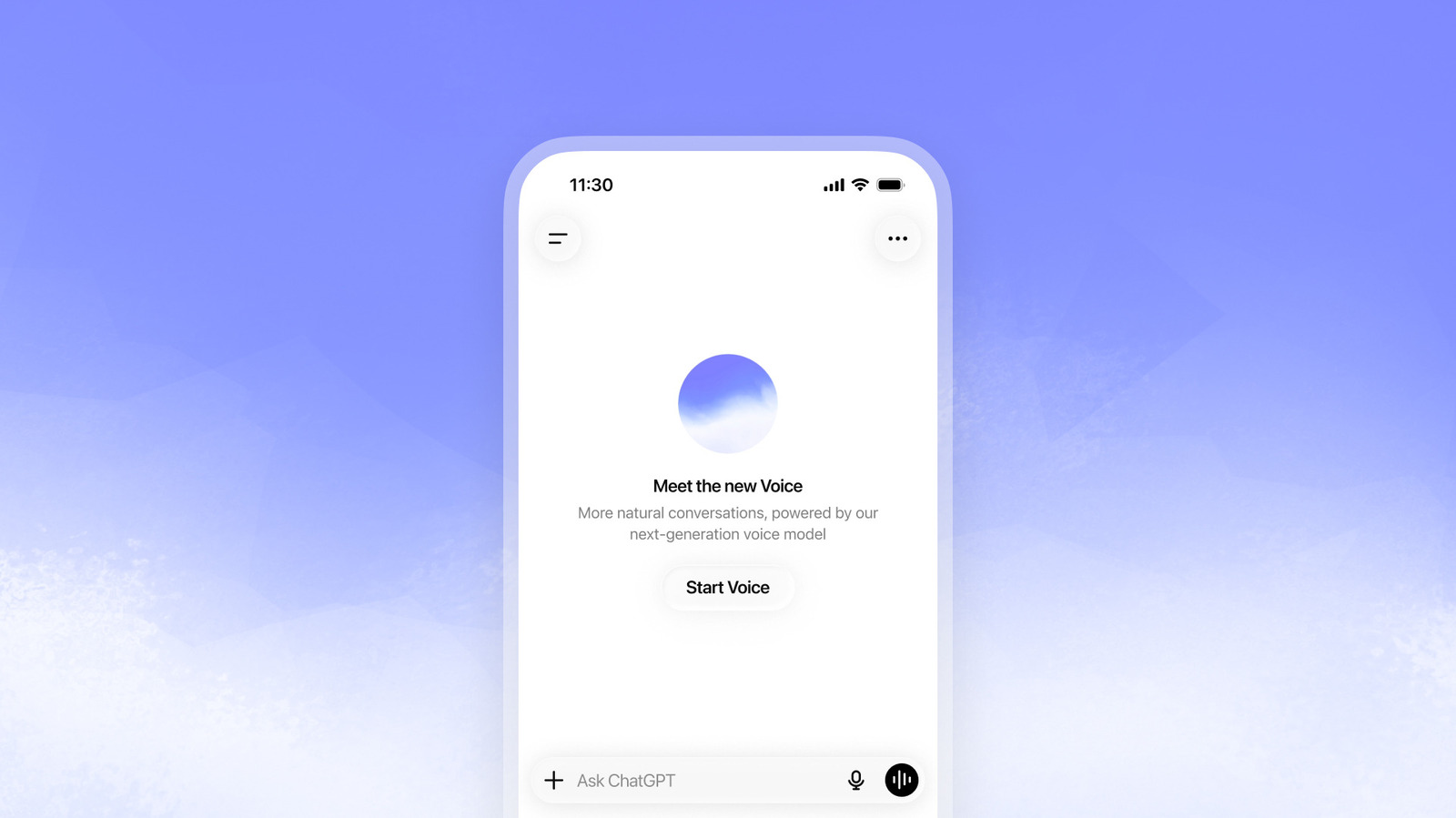
OpenAI is putting ChatGPT, its browser and code generator into one desktop app

OpenAI is developing a “super app” for desktop that unifies ChatGPT, its browser and its Codex app, according to the Wall Street Journal and CNBC. A company spokesperson told the publications that OpenAI Chief of Applications Fidji Simo will lead the application revamp with assistance from OpenAI President Greg Brockman. Simo will also help the marketing team advertise the app when it comes out. OpenAI’s leadership is apparently hoping that combining several products can help it streamline user experience and dedicate its resources to one project.

The company has yet to make an official announcement about the new app, but Simo replied to the Journal piece’s author on X. “Companies go through phases of exploration and phases of refocus; both are critical,” Simo said. “But when new bets start to work, like we’re seeing now with Codex, it’s very important to double down on them and avoid distractions. Really glad we’re seizing this moment.”

The Journal saw the internal note Simo sent to employees, wherein she said that the company realized it was spreading its efforts across too many apps and that it needed to simplify its efforts. “That fragmentation has been slowing us down and making it harder to hit the quality bar we want,” she reportedly wrote. In an all-hands meeting, CNBC said she also told employees that the company was “orienting aggressively” towards high-productivity use cases.

It’s not clear yet when the unified app will be available, but OpenAI is reportedly focusing on developing agentic AI capabilities for it. The agents will be able to make decisions and use tools to do tasks on computers, such as writing software or analyzing data, with little human oversight.

This article originally appeared on Engadget at https://www.engadget.com/ai/openai-is-putting-chatgpt-its-browser-and-code-generator-into-one-desktop-app-025709839.html?src=rss 

States are suing the EPA for relinquishing its role as a greenhouse gas emissions regulator

California, Massachusetts, Connecticut and New York are leading a group of 20 other states in suing the US Environmental Protection Agency for renouncing its ability to regulate greenhouse gas emissions, The New York Times reports. The lawsuit specifically argues that the EPA’s decision to rescind a 2009 study that determined greenhouse gases are dangerous to public health was illegal. The study, which is the source of what’s called the “Endangerment Finding,” was one of several justifications — along with things like the Clean Air Act — for the agency’s ability to regulate emissions.

Rescinding the finding nullified the EPA’s evidence for things like emissions standards and a variety of other regulations that attempted to reduce the amount of greenhouse gases produced by the automotive, coal and oil industries. The Trump administration framed the rollback as a cost-saving measure, but it was also a major blow to the government’s ability to fight climate change. Greenhouse gases, which include things like carbon dioxide, methane and nitrous oxide, collect in the atmosphere and warm the planet, upsetting weather patterns and negatively impacting the environment. Determining the changes caused by greenhouse gases posed a risk to public health gave the EPA the authority to regulate them under its existing mandate to address air pollution. An authority it could have again, depending on the result of this litigation.

Of course, winning a lawsuit isn’t necessary to restore the EPA’s role in fighting climate change. Congress could do that now by passing a new law. The legal route is just faster, and potentially riskier. The New York Times writes that this new lawsuit was filed in the US Court of Appeals for the District of Columbia, and could ultimately be combined with an existing lawsuit from environmental groups. Depending on how the case fairs in the lower court, it may eventually be appealed to the US Supreme Court, who could decide on an even more restrictive interpretation of the EPA’s role. 

Under President Donald Trump, the EPA has already rolled back clean water rules and attempted to stifle research. The Trump administration has separately tried to undermine the authority of independent agencies like the EPA and FTC, something the Supreme Court has yet to determine to be illegal.

This article originally appeared on Engadget at https://www.engadget.com/science/states-are-suing-the-epa-for-relinquishing-its-role-as-a-greenhouse-gas-emissions-regulator-221425064.html?src=rss 

Alphabet no longer has a controlling stake in its life sciences business Verily

Alphabet’s life sciences business Verily is restructuring and raising money as a new corporate entity. Verily announced that with its $300 million investment round, it will change from an LLC to a corporation and rename itself Verily Health Inc. As a result, Alphabet now has a minority stake rather than a controlling one in the business. 

Similar to every other tech business, this chapter for Verily will be focused on AI. “From research to care, our customers need solutions that bring the best of clinical and scientific rigor together with AI to deliver the next generation of healthcare – one that is as precise as it is personal,” Chairman and CEO Stephen Gillett said.

Google Life Sciences was renamed Verily in 2015, around the same time as Google also rebranded to Alphabet. It has worked on a wide range of projects over the years, such as using eye scans to predict heart disease and an opioid addiction center. In 2025, it closed its medical device division, a move that may have signaled its shift toward AI.

This article originally appeared on Engadget at https://www.engadget.com/big-tech/alphabet-no-longer-has-a-controlling-stake-in-its-life-sciences-business-verily-221718631.html?src=rss 

DoorDash will start paying gig workers for creating content to train AI models

DoorDash has launched a new option for its gig economy workers to earn some extra cash. The delivery service introduced Tasks, which it describes as “short activities Dashers can complete between deliveries or in their own time.” It gives taking pictures of restaurant dishes or recording video of unscripted conversations in languages other than English as examples. These materials will be used to train artificial intelligence and robotics models. 

A representative from DoorDash told Bloomberg News that it will use Tasks content for evaluating its in-house AI models as well as those made by its partner companies in retail, insurance, hospitality and tech. DoorDash is piloting a standalone app for Tasks where Dashers will submit their content. The blog post notes that pay will be displayed upfront, and compensation will vary based on the complexity of the activity.

This idea isn’t new. We’ve seen other startups in AI and robotics offering payment for content filmed by regular people. Considering how many lawsuits are underway against AI companies that have already benefited from unauthorized use of copyrighted materials, at least this approach lets people be directly compensated for training content.

This article originally appeared on Engadget at https://www.engadget.com/ai/doordash-will-start-paying-gig-workers-for-creating-content-to-train-ai-models-204048743.html?src=rss 

Generated by Feedzy
Exit mobile version